Nature's small discoveries
Herbs & Wild Plants
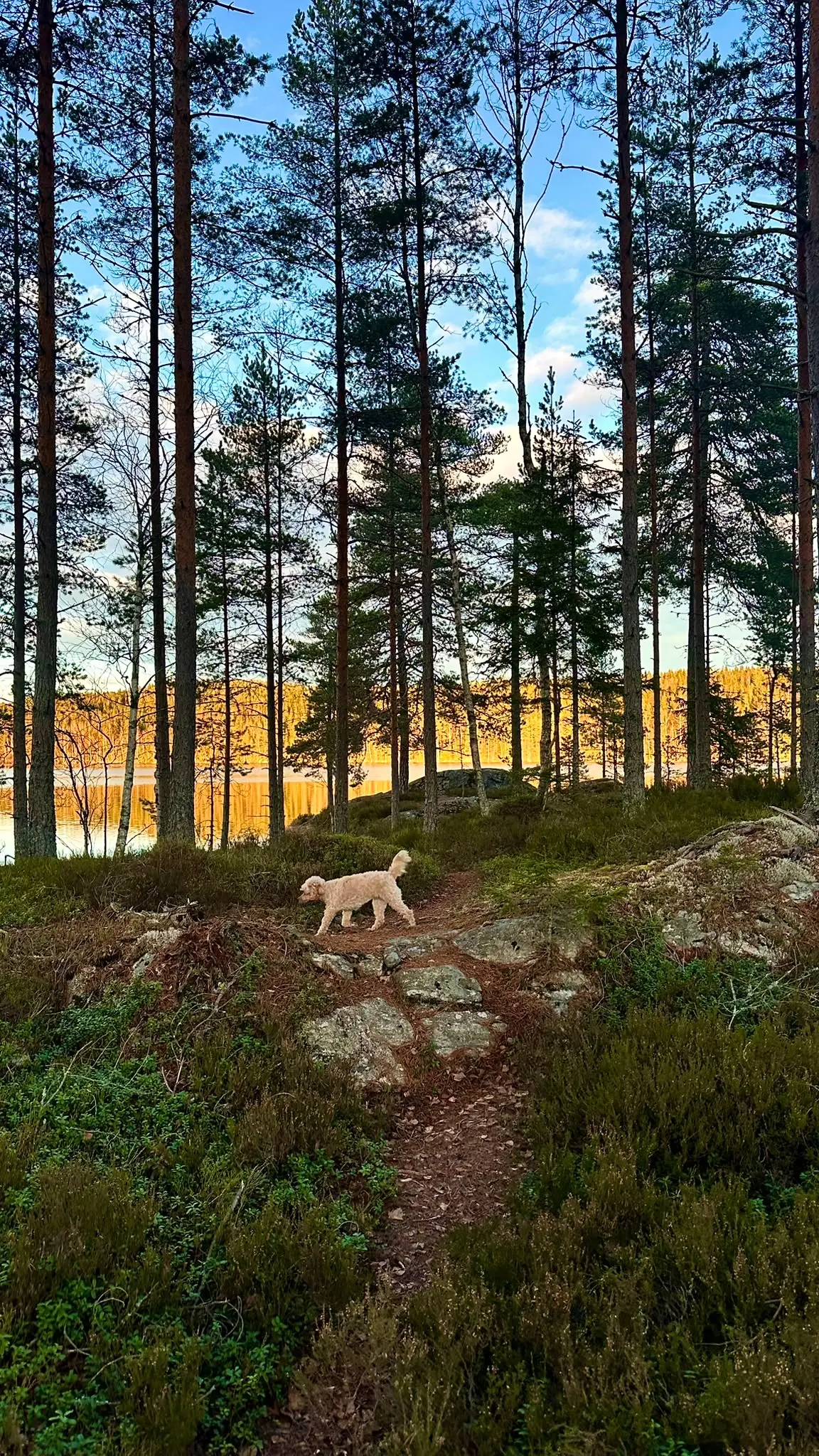
Along forest edges, in meadows and beside old farmsteads there is a whole world of plants to discover. Get to know a few of them, their characteristics and their place in nature and in everyday Swedish history. What you find varies with the season, the habitat and the weather.
Nature's small discoveries
Herbs & Wild Plants
Stinging nettle
Urtica dioica
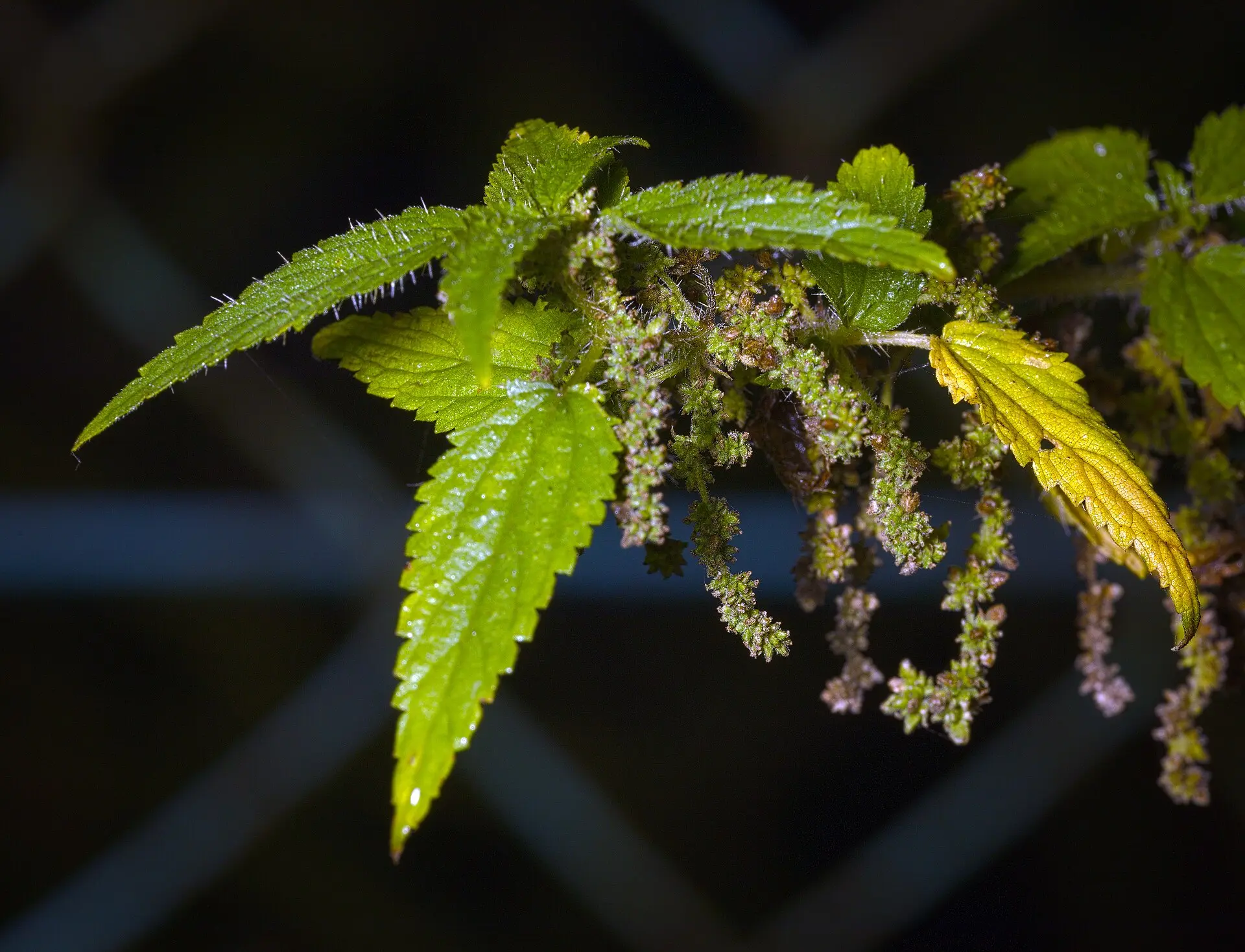
A familiar plant with saw-toothed leaves and stinging hairs. It thrives on nutrient-rich ground and has been used both in cooking and as a textile fibre.
Rosebay willowherb
Chamaenerion angustifolium
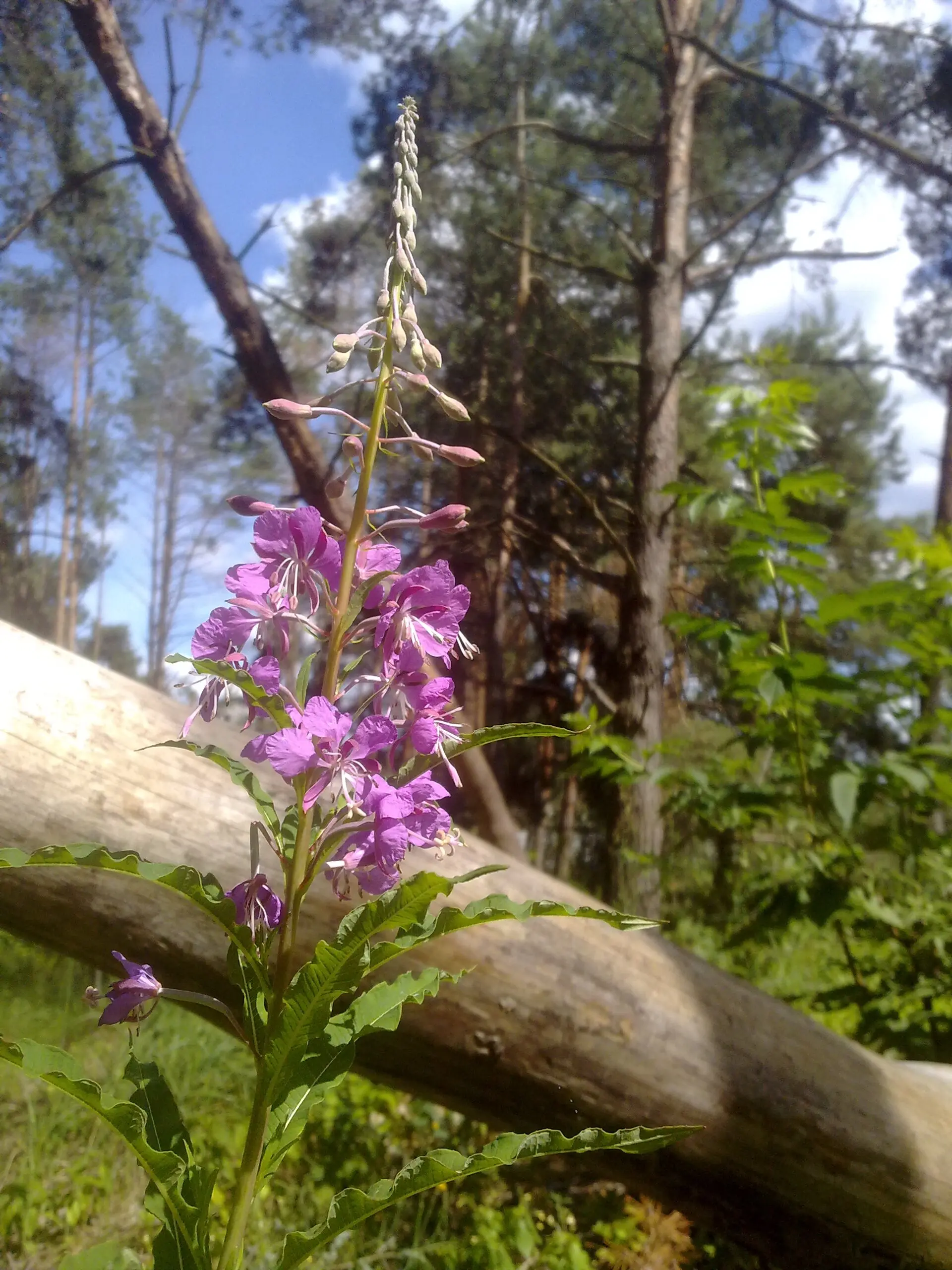
Summer's pink flower spikes light up open ground and forest glades. The plant, also called fireweed, has a tradition as a food plant.
Yarrow
Achillea millefolium
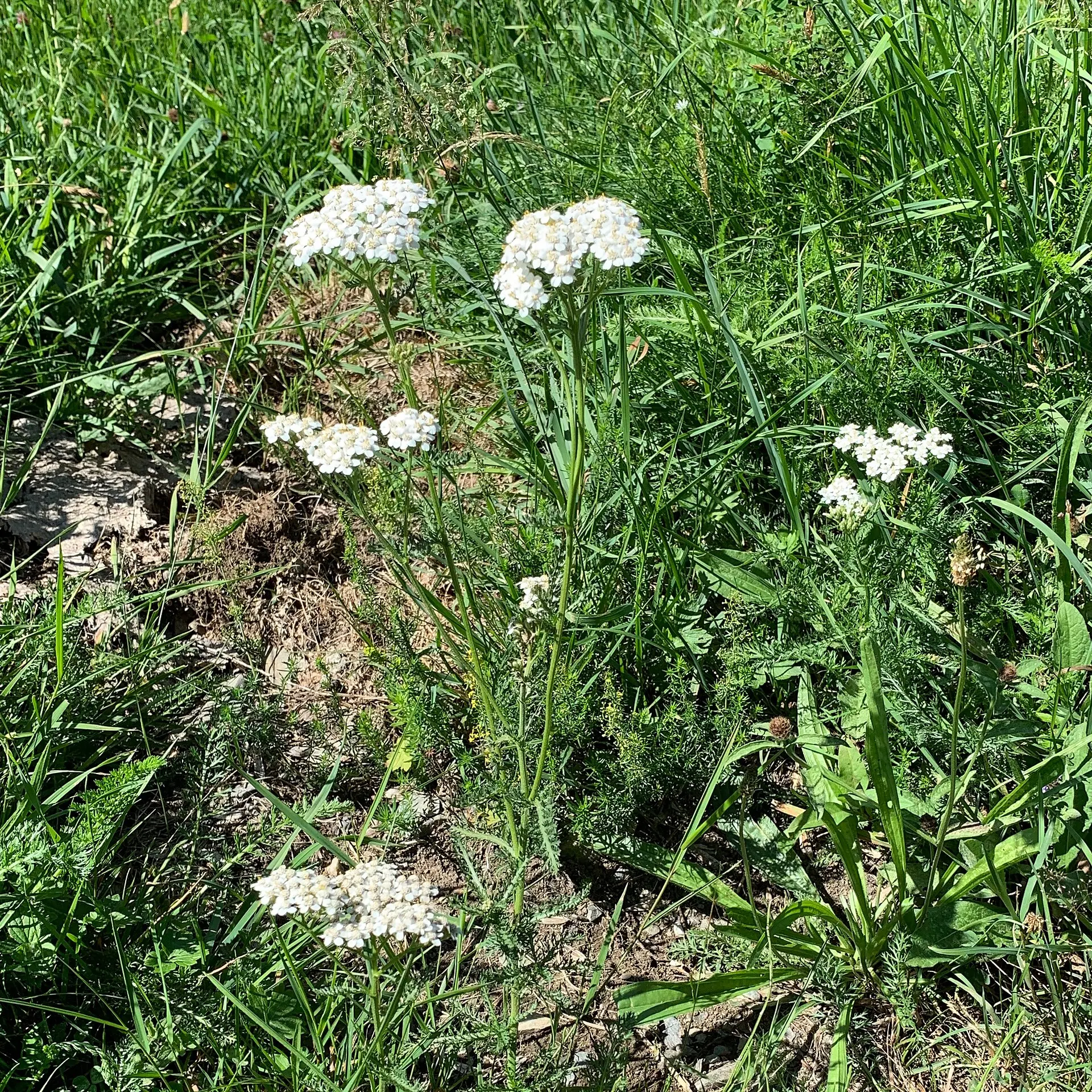
Finely divided leaves and dense clusters of small white or pale pink flowers. A plant to get to know on open, sunny ground.
Meadowsweet
Filipendula ulmaria
Cream-white flower clusters and a distinctive scent characterise meadowsweet. It is associated with damp ground and has a long cultural history.
According to people who live here, both fireweed and St John's wort grow in the countryside around Håltebyn. Where and when you see them varies from year to year.
Featured plant
Rosebay willowherb — summer's pink flower spikes
Rosebay willowherb, also known as fireweed, brightens the summer with its tall pink flower spikes. It is associated with open woodland, clear-cuts and glades, and is one of the plants that make the summer landscape easy to recognise.
- SV
- Rallarros
- NO
- Geitrams
- EN
- Rosebay willowherb
- DE
- Schmalblättriges Weidenröschen
- FR
- Épilobe en épi
- NL
- Wilgenroosje
- Scientific name
- Chamaenerion angustifolium · Synonym: Epilobium angustifolium · Also called: fireweed
How to recognise it
A tall, upright herb with narrow leaves and pink flowers along the upper part of the stem. When the seeds ripen, a pale, woolly seed fluff forms.
Typical habitats
Open woodland, clear-cuts, glades and other open, disturbed ground.
Season
Flowers in summer. The woolly seed fluff appears towards late summer.
Tradition and use
Rosebay willowherb has been used as a food plant. Young shoots have been cooked as a spring vegetable, and the plant also appears in herbal-tea traditions.
Good to know
Discover it gently. Get to know the whole plant and preferably join a knowledgeable guide. The text and pictures on this page are not enough for safe identification before using it as food.
Urtica dioica
Stinging nettle — the plant everyone knows
Few plants announce themselves as clearly as the nettle. Where it grows, the soil is often rich — which is why it so often keeps company with old farmsteads.
- SV
- Brännässla
- NO
- Brennesle
- EN
- Stinging nettle
- DE
- Große Brennnessel
- FR
- Grande ortie
- NL
- Grote brandnetel
- Scientific name
- Urtica dioica
How to recognise it
Upright stems with opposite, coarsely saw-toothed leaves. Leaves and stems carry stinging hairs, and small greenish flowers hang in tassels from the leaf axils. Look at several features together.
Typical habitats
Nutrient-rich ground: around farms and old farmsteads, along forest edges, ditches and paths.
Season
Young shoots appear in spring; the plant flowers from summer into autumn.
Tradition and use
Nettles have long been eaten in spring — nettle soup is a classic in Sweden. The tough fibres in the stems have also been used as a textile material.
Good to know
The stinging hairs burn on contact — wear gloves. Avoid picking where the ground may be polluted, for example along busy roads.
Achillea millefolium
Yarrow — a thousand tiny leaflets
Yarrow is one of the most common flowers of meadows and roadsides. Its scientific name, millefolium, means “a thousand leaves” — a good description of its feathery foliage.
- SV
- Rölleka
- NO
- Ryllik
- EN
- Yarrow
- DE
- Gemeine Schafgarbe
- FR
- Achillée millefeuille
- NL
- Duizendblad
- Scientific name
- Achillea millefolium
How to recognise it
Feathery, finely divided leaves, an aromatic scent when crushed, and flat, dense clusters of small white or pale pink flower heads.
Typical habitats
Open, sunny ground: meadows, pastures, roadsides and dry grassland.
Season
Flowers from early summer into autumn.
Tradition and use
Yarrow has a long place in folk tradition and old farm gardens. The genus name Achillea refers to Achilles of Greek legend.
Good to know
From a distance, yarrow can be confused with plants of the carrot family, some of which are very poisonous. Look closely at the leaves and the flower heads — never rely on one feature alone.
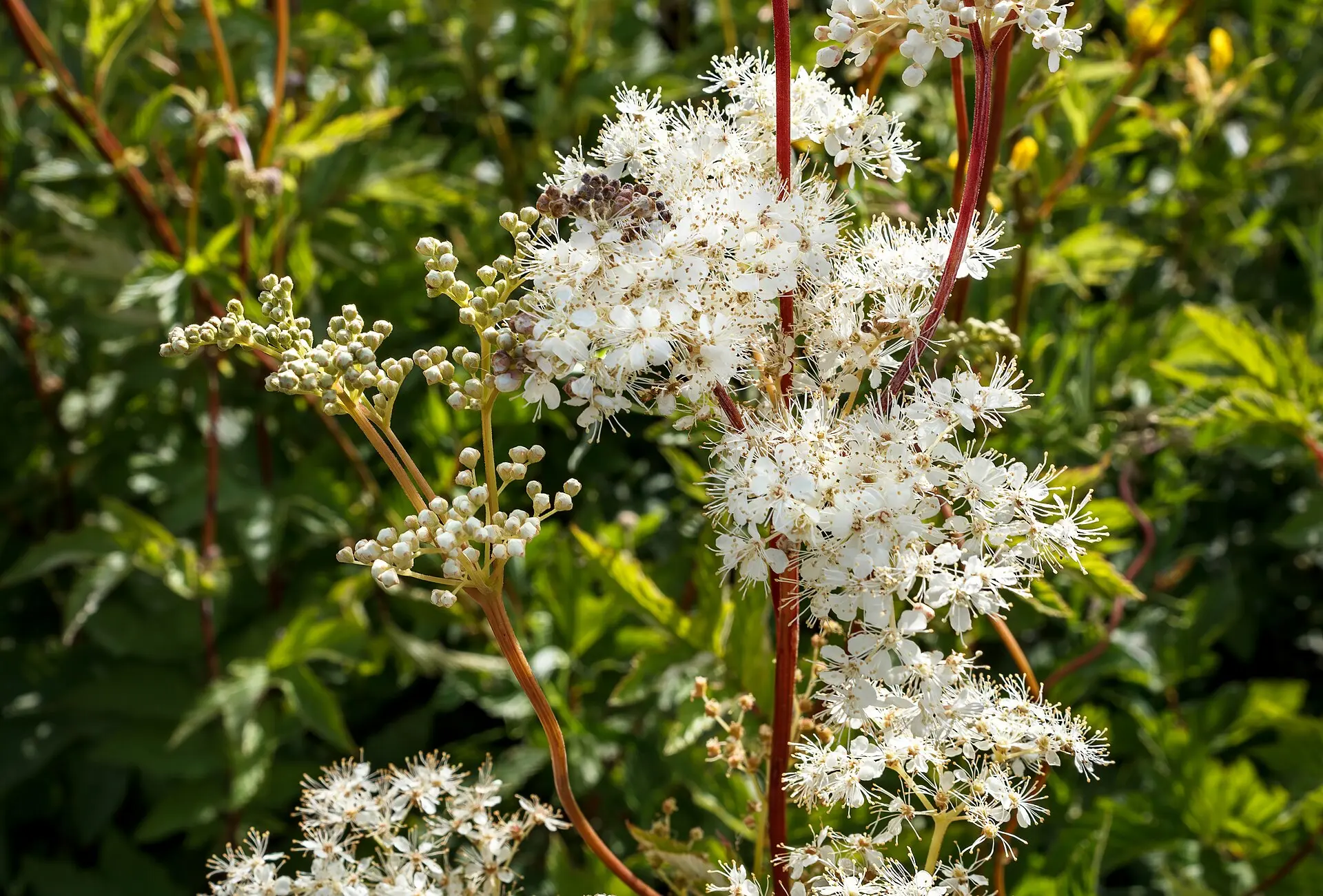
Filipendula ulmaria
Meadowsweet — the scent of a midsummer ditch
On a warm summer evening you may smell meadowsweet before you see it. Its foamy, cream-white flowers rise above wet meadows, ditches and lake shores.
- SV
- Älggräs
- NO
- Mjødurt
- EN
- Meadowsweet
- DE
- Echtes Mädesüß
- FR
- Reine-des-prés
- NL
- Moerasspirea
- Scientific name
- Filipendula ulmaria
How to recognise it
A tall plant with often reddish stems, pinnate leaves and dense, cream-white flower clusters with a sweet scent. Look at the whole plant — leaves, stems and flowers together.
Typical habitats
Damp ground: wet meadows, ditches, stream banks, lake shores and moist forest edges.
Season
Flowers in high summer.
Tradition and use
Archaeological finds show that meadowsweet has been used by people since prehistoric times. Its Norwegian name, mjødurt — “mead herb” — hints at its long association with drinks.
Good to know
The flowers attract many insects in summer. Enjoy the scent where it grows, and leave the plants in nature reserves untouched.
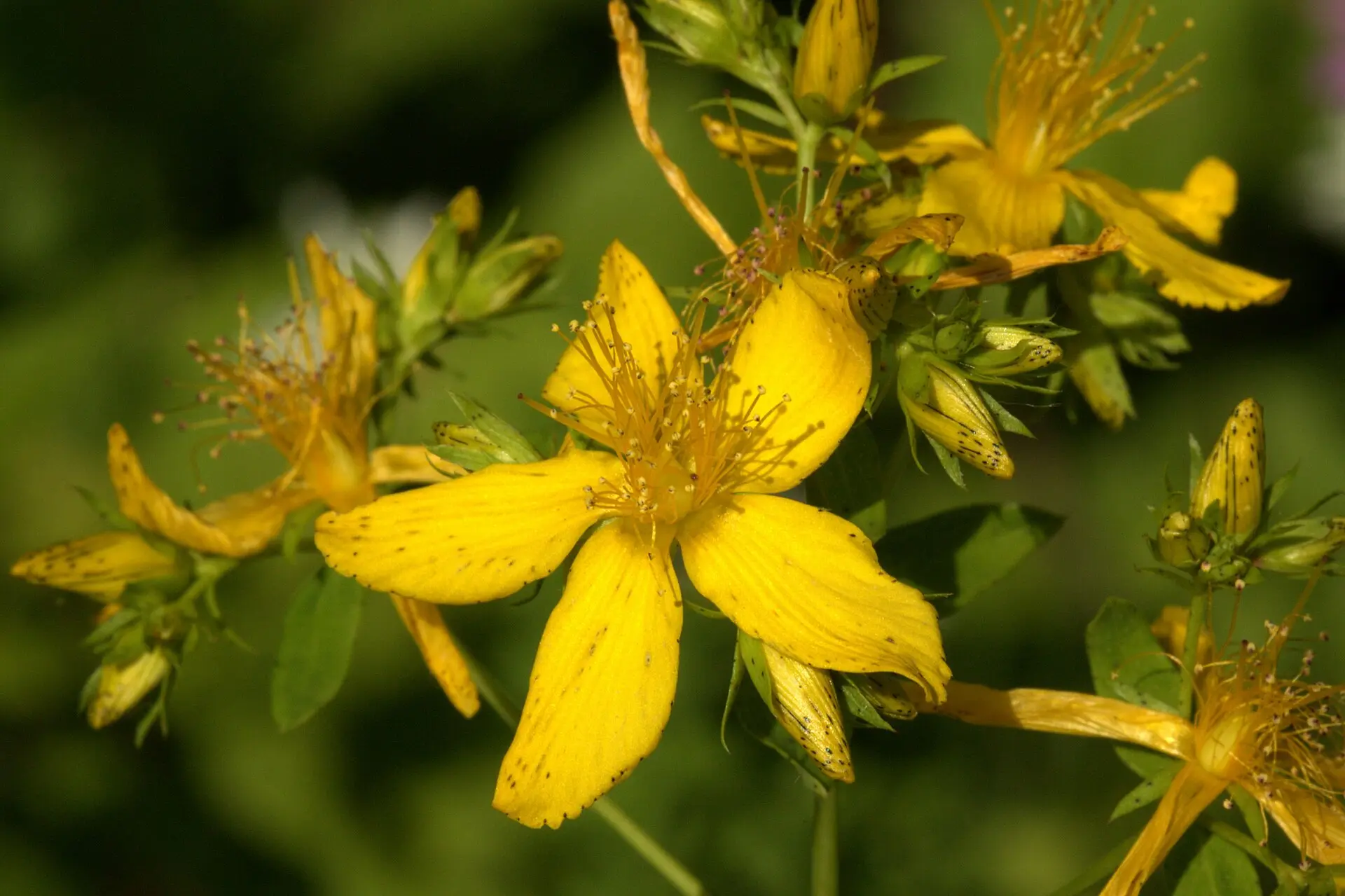
Natural and cultural history — not a beginner's edible plant
St John's wort — yellow flowers with a cultural history
With its yellow flowers, St John's wort is part of summer's plant world. It has a long history in folk traditions and is an interesting plant to get to know on a nature walk.
- SV
- Äkta johannesört
- NO
- Prikkperikum
- EN
- St John's wort
- DE
- Echtes Johanniskraut
- FR
- Millepertuis perforé
- NL
- Sint-Janskruid
- Scientific name
- Hypericum perforatum
How to recognise it
Yellow flowers and small, opposite leaves. The leaves have translucent gland dots that can be seen when held up to the light. There are several similar St John's wort species, so use several features when identifying.
Typical habitats
Dry, sunny ground such as meadows, roadsides and glades.
Season
Flowers around midsummer and through the summer — the name refers to St John's Day at midsummer.
Tradition and use
St John's wort has appeared in older folk use and as a flavouring. Here it is presented as cultural history, without any claims about medical effects.
Good to know
Products containing St John's wort can affect how many medicines work. If you take medication, talk to a doctor or pharmacist before use. This page gives no advice on dosage or self-treatment.
Pick with care
Only pick plants that may be picked, and leave plenty behind. Do not dig up roots or whole plants without the landowner's permission. Check the special rules in nature reserves and other protected areas.
Discover nature together
Herb walks and nature courses will be published under Courses & Events when dates and leaders are confirmed.